The program
Oklahoma voters approved State Question 788 at the June 26, 2018 primary election, establishing the state medical marijuana framework. The Oklahoma State Department of Health created the Oklahoma Medical Marijuana Authority to administer it; OMMA later became an independent state agency while continuing to license patients and businesses, issue rules, inspect licensees, and oversee the regulated market.
The patient framework is physician-led and does not publish a statutory list of qualifying conditions that a patient must select from. An authorized physician evaluates the patient and signs the required recommendation form. The absence of a fixed conditions list does not remove the recommendation requirement, turn a physician visit into a formality, or authorize a brand to make medical claims.
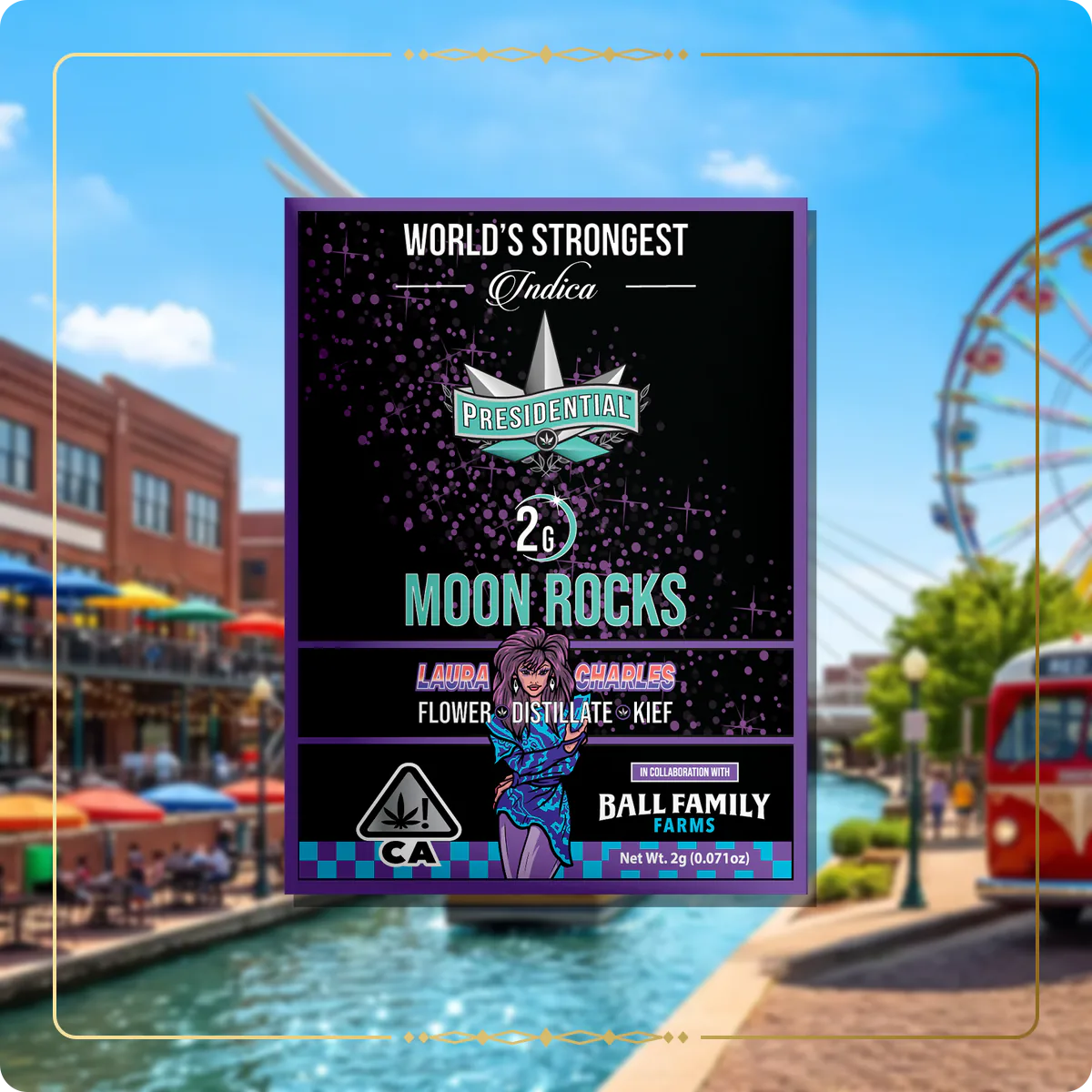
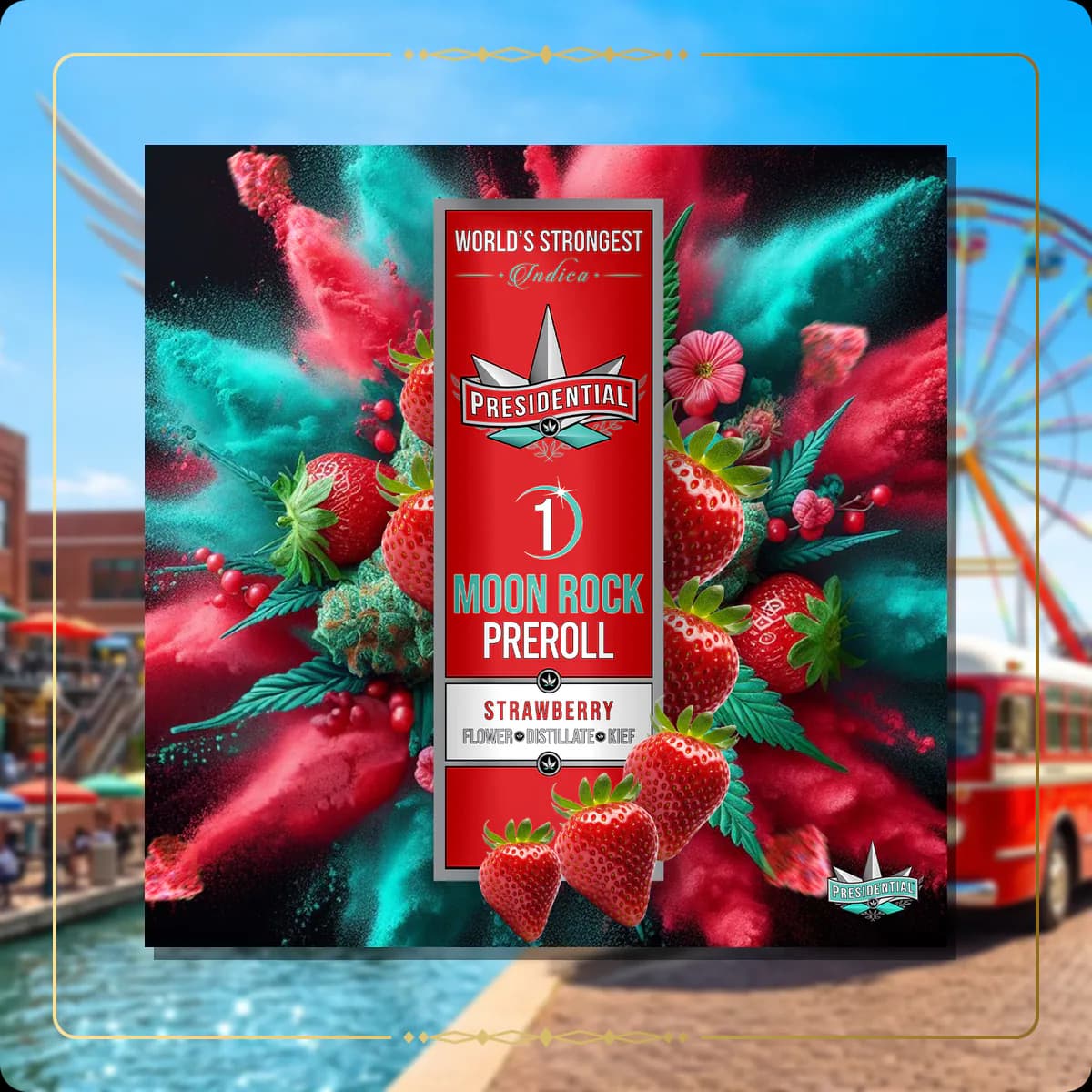
Licensed dispensaries are the retail channel. They may sell to the patient and other license holders permitted by the state framework, but a brand website is not a dispensary and does not complete an Oklahoma transaction. Presidential distributes wholesale, and its Oklahoma product pages direct licensed patients toward participating licensed retailers.
OMMA’s current rules, application materials, guidance, and licensing data are the practical source of truth. This page summarizes the high-level framework as of August 2026 and links those official sources directly rather than copying forms or presenting a legal snapshot as permanent.

The patient license
An Oklahoma resident adult patient license is generally valid for two years. The application requires proof of identity and Oklahoma residency, an acceptable photo, and a signed Physician Recommendation Form from an authorized physician. OMMA says the adult recommendation form must be dated within 30 days of application submission.
The standard nonrefundable state application fee is $100 plus the listed processing fee. With acceptable proof of Medicaid or Medicare enrollment, or status as a veteran with a 100% disability rating, the state application fee is reduced to $20 plus the listed processing fee. The applicant should check OMMA’s current fee table before submitting.
The physician visit is separate from the OMMA fee. Provider pricing is not set by this site and can vary; prospective applicants may encounter recommendation appointments quoted in a broad range of roughly $100 to $300 and should confirm the provider’s charge, credentials, and required records before booking. That private fee is not paid to Presidential or to the dispensary.
A physician recommendation is not the same thing as an active patient credential. Approval, license status, and expiration matter at retail. OMMA’s current guidance also describes forms of approved-status identification that may be used during its licensing-system transition, but patients should check the latest agency instructions rather than relying on an old screenshot or third-party summary.
Visitors
An out-of-state medical marijuana card does not work by itself at an Oklahoma dispensary. This is the detail visitors most often get wrong. Eligible nonresidents apply for Oklahoma’s out-of-state patient license, and that Oklahoma credential is the route that authorizes purchase, possession, use, and cultivation within the state framework.
Eligibility depends on holding a medical marijuana patient license issued by another state government. OMMA specifically distinguishes a state-issued patient license from a prescription or document issued only by an out-of-state medical provider. Applicants submit the required proof of the state-issued license, identification, and photo through OMMA.
The out-of-state license is valid for 30 days. OMMA lists a $100 nonrefundable application fee plus its processing fee, with no reduced temporary-patient rate. Timing matters because approval is not instantaneous and the Oklahoma license must be active for the dispensary purchase.
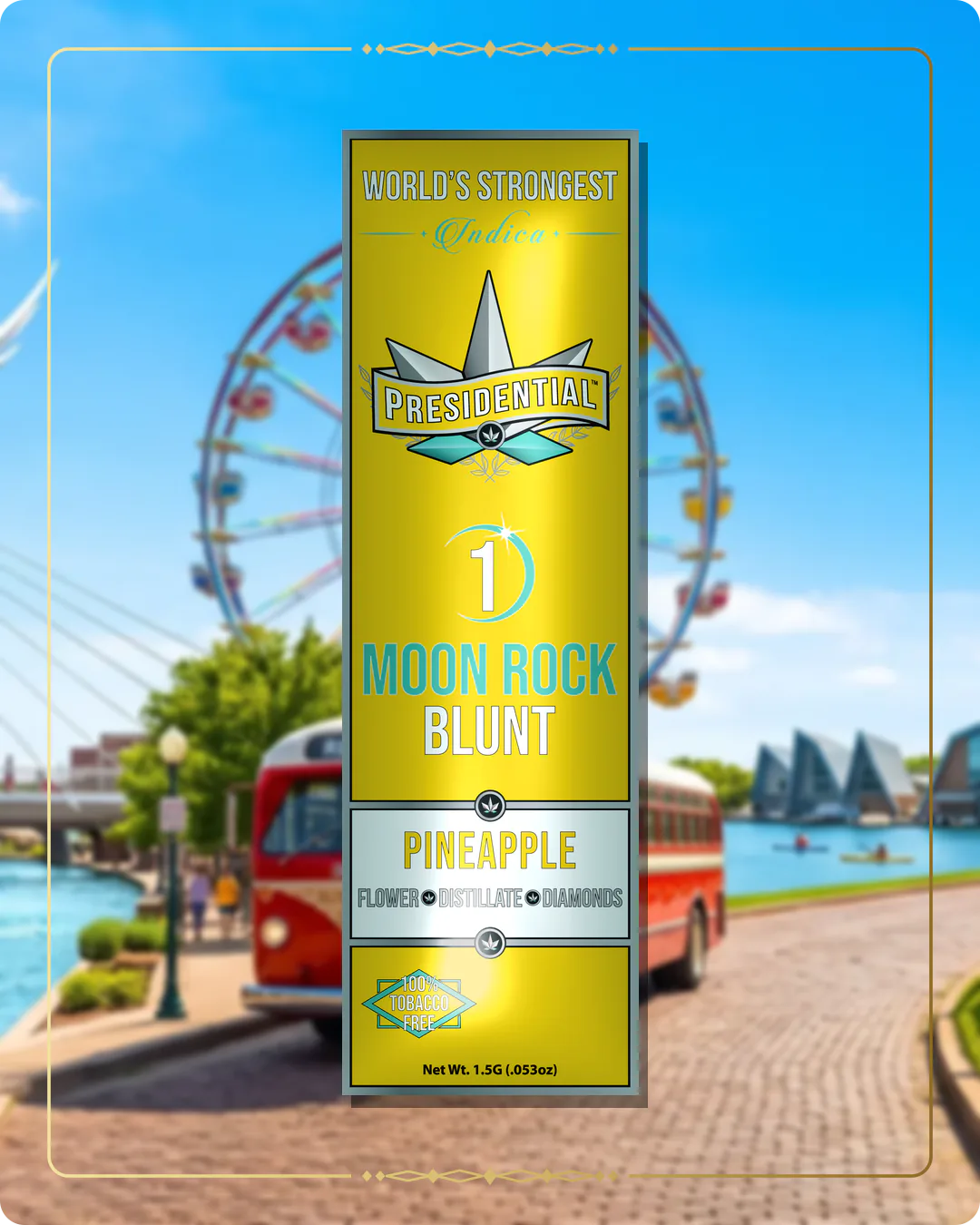
After the proper Oklahoma credential is active, the official Presidential Oklahoma locator can identify participating licensed retailers. The locator is not a substitute for the license, and a home-state card is not a shortcut around OMMA’s visitor process.

What Oklahoma permits
OMMA’s current Patient Rights and Responsibilities guide says a licensed patient may possess, at one time, up to three ounces of marijuana on their person, up to eight ounces of marijuana in their residence, and up to one ounce of concentrated marijuana. Those allowances operate at the same time; the home amount is not a replacement for the on-person amount.
The same guide lists six mature marijuana plants and the harvested marijuana, plus six seedling plants. Home cultivation carries additional requirements: the grow must be on property owned by the patient or used with the property owner’s written permission, and plants cannot be visible with normal vision from an adjacent street.
The original SQ 788 framework was codified beginning in Title 63, and older materials often refer to 63 O.S. § 420A et seq. OMMA’s current rights page cites 63 O.S. § 420 and OAC 442:10-2-8 for the possession limits. The current agency citation should govern a legal check rather than a legacy section label standing alone.
Other restrictions still apply. Patients may not share legally purchased products with another person, even if that person is also licensed, and they may not carry medical marijuana across state lines. Safe storage, child-resistant packaging, and rules around public smoking or vaping remain separate responsibilities from the quantity limits.

The market
Oklahoma’s program grew with exceptional speed. In 2021, OMMA described itself as one of the country’s fastest-growing medical marijuana authorities and reported serving more than 375,000 patients and 12,000 businesses. The 12,000-plus peak-era license environment helped create a dense field of growers, processors, and dispensaries before later enforcement, renewal changes, and market contraction reduced active totals.
The state began a moratorium on new grower, processor, and dispensary licenses in August 2022. HB 2095 extended the endpoint in 2023. HB 3143, approved in May 2026, extended it again to August 1, 2028 unless OMMA’s executive director determines the named licensing-review, inspection, and investigation conditions are complete earlier.
The moratorium does not erase existing licensees. Current businesses can renew, and ownership transfer remains possible only through the required OMMA process. HB 3143 added restrictions around transfer applications and requires written approval; pending administrative actions or appeals can affect whether and when an application may be submitted.
Oklahoma uses Metrc as its seed-to-sale tracking system. Licensed businesses record regulated inventory movement through that system, creating a traceability layer from commercial production into the licensed channel. Tracking does not make a public brand site the inventory authority; the retailer still controls what is actually available on its shelf.
SQ 788 also authorized a 7% excise tax on retail medical marijuana and medical marijuana products sold by dispensaries to patients. OMMA publishes recurring tax reports alongside archived license data, which is why this page avoids freezing a current patient or dispensary count into marketing copy when the agency maintains dated totals directly.

Where it stands
Oklahoma remains a medical cannabis state. On March 7, 2023, voters rejected State Question 820, the adult-use proposal. The official election record and subsequent statewide audit confirm the result. The rejection did not repeal SQ 788 or end the existing medical framework; patients and businesses continued under OMMA licensing and regulation.
That status shapes every product page on this site. Presidential products are promoted for licensed retail, not direct sale. The appropriate active patient or visitor license comes first, a participating licensed dispensary completes the lawful transaction, and current OMMA rules control the program details.
The official Presidential product catalog remains the destination for exact product records, while this Oklahoma guide keeps state requirements consolidated. Product discovery and legal eligibility are connected steps, but neither should be mistaken for the other.
The best final check is always current and specific. Use OMMA for license status, rules, fees, and market requirements; use the official product page for the item; and use the licensed retailer for local inventory. That three-source approach is more durable than a scattered set of legal footnotes across twelve product pages.